Pressure Cleaning Roof Tiles: What Every Treasure Coast Homeowner Needs to Know
Key Takeaways
- Standard pressure washing delivers between 1,500 and 4,500 PSI, which is far above the safe threshold for most tile roofs
- The dark streaks on your roof are caused by a living organism called Gloeocapsa magma, and pressure washing does not kill it at the root
- Soft washing uses under 300 PSI combined with professional-grade solutions to kill organic growth at the source
- Florida’s heat and humidity create ideal conditions for rapid regrowth, making the cleaning method matter more here than almost anywhere else
If you have a tile roof in Martin or St. Lucie County, you’ve probably noticed those dark streaks creeping across the surface and wondered what it would take to get your roof looking clean again. The most common instinct is to reach for a pressure washer and blast the problem away. It’s fast, it’s satisfying, and it looks like it works.
The problem is that standard pressure washing can do serious damage to tile roofs, and in Florida’s climate, the consequences show up fast. Cracked tiles, forced water under the surface, and algae that comes back within weeks are all common results of the wrong approach.
Magic Bubbles serves homeowners across the Treasure Coast with a safer, more controlled cleaning method designed specifically for the kinds of roofs common in this region. Before you let anyone put a pressure wand to your tiles, here’s what you need to understand.
What Are Those Black Streaks Actually Doing to Your Roof ?
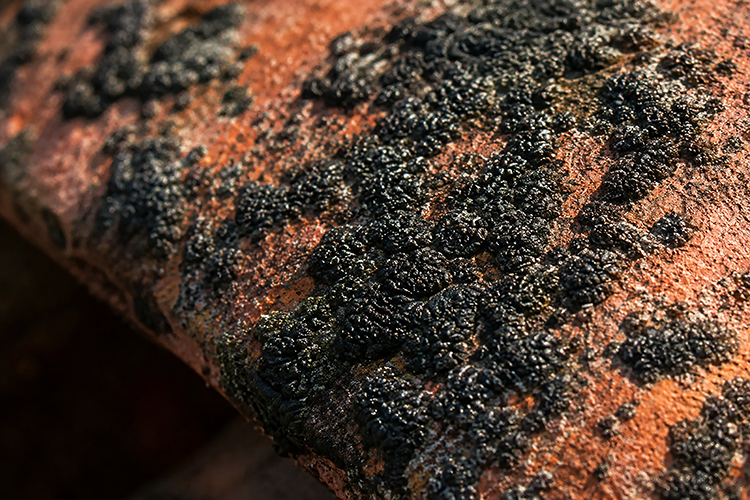
Most homeowners assume the dark staining on tile roofs is just dirt or grime. It’s actually a living organism. The primary culprit is a species of cyanobacteria called Gloeocapsa magma, which thrives in warm, humid environments and is the most common cause of black streaks and algae staining across all roofing types, including clay tiles, concrete tiles, and asphalt shingles.
This matters because the Treasure Coast sits squarely in what the roofing industry calls the “algae danger zone.” The biggest area of risk within that zone is the Southeast, where humidity percentages spike along with summertime heat. In practical terms, that means roofs in Stuart, Jensen Beach, Port St. Lucie, and surrounding areas are under near-constant biological pressure throughout the year.
Algae and mold retain moisture, which can lead to roof leaks by creating gaps and holes over time and can cause the structural integrity of your roof to degrade. While algae is not necessarily a direct health hazard, its accumulation leads to serious long-term consequences.
An infestation of Gloeocapsa magma also enables the biological growth of other damaging organisms, such as mold, moss, and lichens, which anchor into roofing materials and contribute to further degradation. These organisms grow into the slots and along the edges of tiles, causing them to lift and making the roof deck more susceptible to wind damage and leaks.
The lesson here is that what looks like a cosmetic problem is almost always a structural one in progress.
What Pressure Levels Are Actually Safe for Tile Roofs
This is where homeowners are most frequently misled. “Pressure cleaning” is a broad category. The pressure a machine delivers is measured in PSI (pounds per square inch), and the difference between safe and damaging is not a matter of operator judgment alone. It is built into the method itself.
A standard pressure washer delivers water at forces ranging from 1,500 to 4,000 PSI, making it highly effective at removing surface debris from hard surfaces like concrete and stone. However, when it comes to roof cleaning, this level of pressure is a risky approach. Pressurized water can lift tiles, cause cracking, or strip protective coatings.
When general pressure washing companies clean tile roofs, they often apply up to 4,500 PSI of water. As a result, the tiles can easily shift and allow water to spray underneath, ultimately shortening the lifespan of the roof.
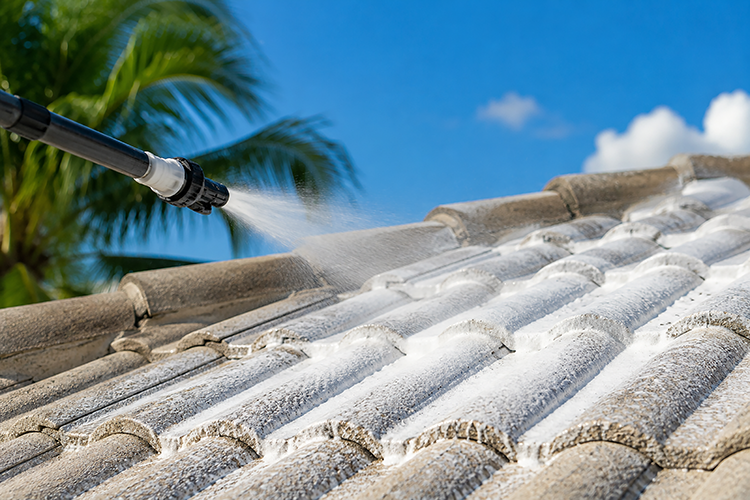
So what is the safe range? For tile roofs, the answer is dramatically lower than most people expect. Professional soft washing uses low-pressure application of specialized cleaning solutions at less than 300 PSI. This method effectively removes algae, mildew, and organic stains without damaging tiles. Some professional soft washing systems operate at 50 to 100 PSI, which is comparable to a garden hose.
Pressure washing is only occasionally acceptable, and only if the roof is in excellent condition, the tiles are newer and not brittle, and you can control pressure below 1,200 PSI using a wide-angle spray tip. Even then, the risks are serious: pressure washing can crack tiles and strip protective coatings.
The takeaway is simple. If the cleaning method being used on your tile roof is not specifically designed to stay well under 1,200 PSI, you are accepting real risk.
Why Does Pressure Washing Fail to Fix the Problem Anyway
Even setting aside the physical damage risk, standard pressure washing simply does not solve the root problem. This is one of the most important points for Treasure Coast homeowners to understand, because Florida’s climate makes re-growth happen faster here than in almost any other region.
Pressure washing your tile roof only eliminates the top layer of algae, leaving the spores alive in the porous tiles. This means the black streaks will disappear only for a short duration and come back again after a few months to a year. Meanwhile, the algae continues to degrade your roof.
Compare this to the results from a proper soft wash treatment. A real soft wash uses 50 to 100 PSI combined with biodegradable chemistry that does the actual cleaning work. This chemistry kills Gloeocapsa magma, algae, mold, and lichen at the cellular level, where they are rooted into the porous surface of your tile.
Pressure washing only blasts the visible biomass off the surface, while the root colony remains alive and starts repopulating within days. That’s why a pressure-washed roof looks dark again within 60 to 90 days. A properly soft-washed roof stays clean for two to three years.
For homeowners in Palm City, Hobe Sound, Fort Pierce, and the rest of the Treasure Coast, that difference in longevity is significant. Paying for a cleaning that lasts three months in a Florida climate is not a solution. It is a recurring cost that adds up fast while the underlying damage continues.
What Damage Can the Wrong Cleaning Method Actually Cause
The damage from improper pressure washing on tile roofs is not theoretical. It is a documented pattern that roofing professionals across South Florida see regularly. Here is what actually happens when a tile roof is cleaned with excessive pressure.
Tile cracking and displacement. Excessive pressure causes surface erosion, cracks, or water intrusion under the tiles. Walking on concrete tiles should also be minimized, as they can break under weight.
Underlayment damage. High pressure damages the roof underlayment, which creates more opportunity for leaks to occur. It also loosens waterproofing flashings, which allows water to leak in.
Tile surface etching. Pressure washing etches the tile surface, meaning there are deeper crevices left behind, which makes it easier for algae to grow back. Ironically, aggressive pressure washing creates a rougher surface that actually accelerates future contamination.
Glaze removal. Pressure washing removes the glaze coating on the tile surface, accelerating UV penetration into the tile body and reducing the tile’s long-term resistance to biological recolonization.
Color change. Pressure washing can dull or remove the glazing on the tiles, and your roof will start to look duller even after cleaning.
Each of these outcomes means either a costly repair or a roof that is visibly worse off than before the cleaning.
Why Florida’s Climate Makes the Cleaning Method Even More Critical
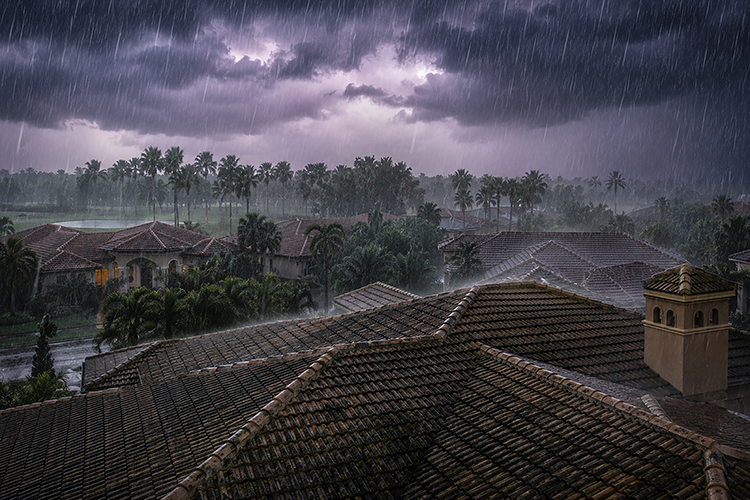
Florida is not a forgiving climate for roofs, and the Treasure Coast gets the full force of what that means. High humidity, intense UV exposure, rainy seasons that keep surfaces wet for months, and salt air near the coast all combine to create the fastest possible re-growth conditions for algae, mold, and moss.
St. Lucie County receives an average of 56 inches of rain per year, according to climate data. The U.S. national average is 38 inches. That gap of nearly 50 percent more annual rainfall than a typical American city is one of the primary reasons organic growth on Treasure Coast roofs develops faster and returns more aggressively after cleaning than it would almost anywhere else in the country.
Florida’s humid climate is particularly conducive to the growth of Gloeocapsa magma, which thrives in high humidity and causes more than just aesthetic damage. In addition to the unsightly black streaks, this algae can lead to more serious structural problems when left unchecked.
When properly maintained, clay tiles can last over 100 years, while concrete tiles provide 50 or more years of reliable protection in Florida. The operative phrase is “when properly maintained.” That lifespan depends heavily on using the right cleaning method, at the right frequency, before damage accumulates.
For tile roofs, cleaning every two to three years is recommended regardless of age. Tile is not immune to Gloeocapsa magma. The organism colonizes clay, concrete, and metal surfaces readily wherever moisture conditions allow.
For homeowners near the coast or under heavy tree cover in areas like Tequesta or Jupiter Farms, that interval may need to be shorter, since these conditions accelerate biological growth significantly.
The Soft Washing Process: What Professional Roof Cleaning Actually Looks Like
Understanding the correct process helps homeowners ask the right questions before hiring anyone to clean their roof. Professional soft washing for tile roofs involves several specific steps that differentiate it from any standard pressure wash service.
The process begins with a low-pressure application of a cleaning solution, typically a carefully measured concentration of sodium hypochlorite combined with surfactants designed to penetrate the tile surface and break down organic growth at the root. Soft washing is the gold standard for Florida tile roofs. It uses a low-pressure system under 300 PSI to apply a cleaning solution, with a dwell time of 10 to 15 minutes after application.
The dwell time is critical. It allows the solution to kill the organism at a cellular level rather than simply removing visible staining. This is why soft washing results last significantly longer than pressure-only cleaning methods.
After dwell time, the surface is rinsed with low pressure from the top down to avoid forcing any water beneath the tiles. The entire process is designed to clean the roof the same way the manufacturer intended: through chemistry rather than force.
Magic Bubbles provides professional roof soft washing for homeowners across Martin and St. Lucie Counties. The team uses controlled, low-pressure application methods that protect tile integrity, and deliver results that last well beyond what any standard pressure rinse could offer.
Final Takeaways
- The PSI number matters: tile roofs require under 300 PSI for safe cleaning, not the 1,500 to 4,500 PSI a standard pressure washer delivers
- Pressure washing removes visible staining but leaves algae spores alive, leading to rapid regrowth within weeks in Florida’s climate
- Soft washing kills Gloeocapsa magma at the cellular level, delivering results that last two to three years
- Florida homeowners on the Treasure Coast should schedule professional roof cleaning every two to three years, more often for coastal properties or homes under heavy shade
- Choosing a company that understands tile-specific risks is not just about getting a cleaner roof. It is about protecting a long-term investment in your home
Your Roof Deserves More Than a Pressure Rinse
Tile roofs across Martin and St. Lucie Counties are built to last for decades, but only when they are maintained the right way. The black streaks you see are not cosmetic problems that can be blasted away. They are living organisms embedded in your tiles, and they respond to chemistry, not force.
Standard pressure washing may look like a solution. In reality, it strips protective glazing, etches tile surfaces, risks cracking and water intrusion, and leaves the root cause of the problem fully intact. Within weeks, the same staining returns, and the roof is measurably worse off for the experience.
Magic Bubbles provides residential roof soft washing across the Treasure Coast using methods that are safe for your tiles, compatible with manufacturer guidelines, and designed for Florida’s specific climate conditions. Whether your roof is showing early signs of algae staining or has built up significant growth over several seasons, the right approach makes the difference between a cleaning that works and one that costs more than it solves.
If your tile roof needs attention, request a free quote from Magic Bubbles and find out what professional soft washing can do for your home.
FAQs About Pressure Cleaning Roof Tiles in Florida
How do I know if my roof has been damaged by previous pressure washing?
Look for tiles that appear duller in color, tiles that have shifted or show visible cracks, and grout or mortar that appears eroded or missing. You may also notice algae growing back faster than expected after a recent cleaning. If any of these signs are present, a roofing inspection is worth scheduling before your next cleaning.
How long does soft washing keep a tile roof clean in Florida?
A professional soft wash typically keeps tile roofs clean for two to three years. Florida’s humidity shortens that window compared to drier climates, and coastal or heavily shaded homes may need cleaning more frequently. Roofs pressure-washed without algae-killing solutions may show regrowth within 60 to 90 days.
Will cleaning my roof improve my home’s value or help with HOA compliance?
Yes on both counts. Clean roofs improve curb appeal directly, which affects perceived property value and buyer confidence. In many HOA communities across Martin and St. Lucie Counties, visible algae staining on roofs can trigger violation notices and fines. A professional soft wash brings your roof back into compliance quickly and keeps it there longer than pressure washing alone.

Magic Bubbles
http://magicbubblestc.comMagic Bubbles Pressure Washing is a locally owned Magic Bubbles franchise serving Martin and St. Lucie Counties on Florida’s Treasure Coast. We’re licensed and insured and clean homes and businesses from Stuart, Palm City and Jensen Beach to Port St. Lucie and Fort Pierce. Our posts cover what local heat, humidity and coastal air do to roofs, pavers, pool cages and gutters, and how to keep them looking cared for.