Soft Wash Pressure Cleaning: What It Is, How It Works, and Why Your Property Needs It
Key Takeaways
- Soft wash pressure cleaning uses low pressure (under 500 PSI) combined with specialized cleaning solutions to safely remove organic growth from exterior surfaces.
- Surfaces like roofs, stucco, vinyl siding, fences, and pavers require soft washing, not high-pressure blasting.
- Florida’s climate accelerates algae and mold growth, making regular soft washing especially important for Treasure Coast properties.
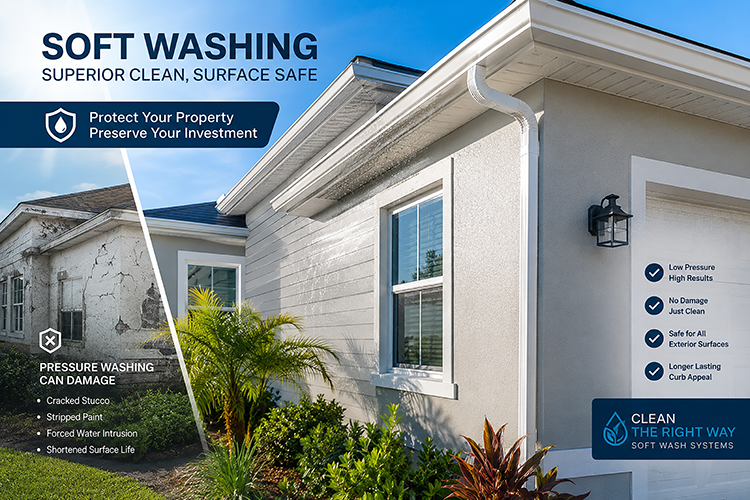
- Improper pressure washing can crack tiles, strip paint, damage shingles, and force water behind siding.
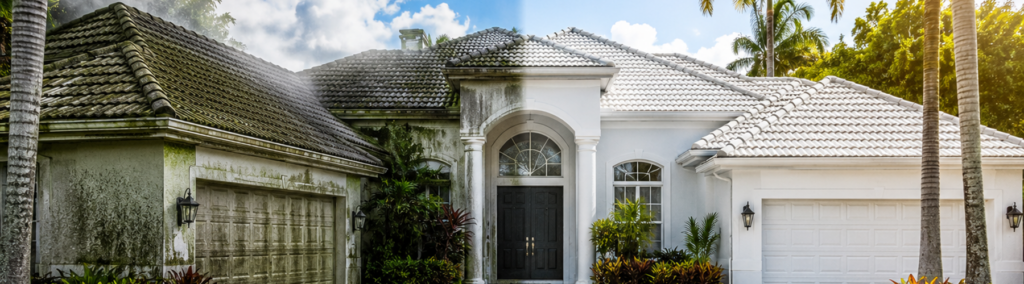
If you have noticed dark streaks running down your roof, green patches creeping across your siding, or a driveway that looks decades older than it is, your property is telling you something. Florida’s warm, humid climate in Martin and St. Lucie Counties creates the perfect environment for algae, mold, mildew, and moss to thrive on exterior surfaces year-round.
The good news is that soft wash pressure cleaning is the safest, most effective solution available. Magic Bubbles has helped homeowners and property managers across the Treasure Coast restore and protect their properties using this proven method.
What Exactly Is Soft Wash Pressure Cleaning
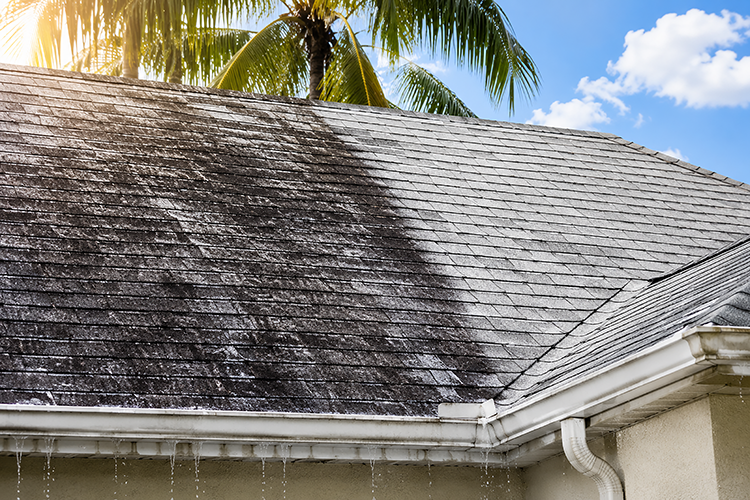
Soft wash pressure cleaning is a low-pressure exterior cleaning method that relies on biodegradable cleaning solutions rather than brute water force to break down and remove organic contaminants. The process operates at pressures typically under 500 PSI, with dedicated soft wash systems often running at 150 PSI or lower. Compare that to standard pressure washing, which operates anywhere from 1,500 to over 4,000 PSI, and you immediately understand why surface material matters so much.
The cleaning solutions used in soft washing typically include sodium hypochlorite, surfactants, and water. The sodium hypochlorite kills algae, mold, mildew, and bacteria at the root level. Surfactants help the solution cling to vertical and angled surfaces, increasing dwell time and effectiveness. After the solution has had time to penetrate and break down organic growth, a low-pressure rinse flushes everything away cleanly.
The result is not just a cleaner surface. It is a sanitized surface, one where the biological contaminants have been eliminated rather than simply pushed around. This is a critical difference that separates soft washing from basic rinsing or even traditional pressure washing.
How Does the Soft Wash Process Actually Work
Understanding the steps involved helps homeowners appreciate why professional service produces superior, longer-lasting results.
The first step is a pre-treatment rinse, which wets the surface and prepares it for chemical application. The technician then applies the specialized cleaning solution using low-pressure sprayers designed to coat the surface evenly without damaging it. The solution is allowed to sit and dwell, typically for 10 to 15 minutes, depending on the severity of growth and the surface type.
During the dwell phase, the cleaning agents break down organic matter at its source. Mold spores, algae colonies, and mildew growth are killed and loosened from the surface. A final low-pressure rinse then removes the solution and all contaminants, leaving the surface clean without any mechanical abrasion or damage.
In some cases, a post-treatment application may be used to inhibit future organic regrowth, extending the time between cleanings. This is especially valuable in Florida, where the warm and humid conditions mean algae and mold never really stop looking for a foothold.
Which Exterior Surfaces Benefit Most from Soft Washing
Not every surface on your property should be cleaned the same way. This is one of the most important things homeowners get wrong when they rent a pressure washer and try to handle things themselves.
- Roof shingles and tiles are among the most critical surfaces for soft washing. High-pressure water can strip granules from asphalt shingles, crack clay or concrete tiles, and lift flashing. Soft washing cleans the roof thoroughly without any of that risk. For Florida homeowners, roof algae (particularly Gloeocapsa Magma) is extremely common and actively damages shingles by feeding on the limestone filler in asphalt.
- Vinyl siding and stucco are highly vulnerable to pressure damage. High-pressure water can crack stucco, force moisture behind vinyl panels, and accelerate oxidation on siding surfaces. Soft washing removes mold, mildew, and dirt without compromising these materials.
- Wood fences and painted surfaces require gentle care. The force from a standard pressure washer can splinter wood grain, strip paint unevenly, and leave surfaces looking worse than before. Soft washing handles these materials safely.
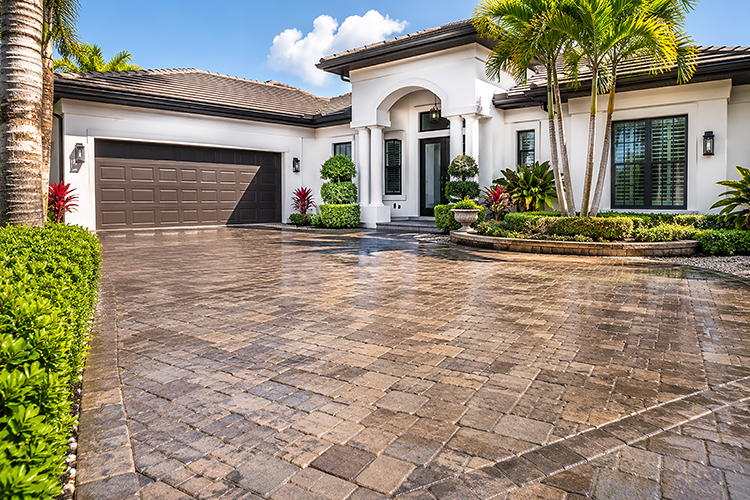
- Driveways, patios, and pavers can handle higher pressure in most cases, but soft washing is still the better choice for pavers with polymeric sand joints, painted concrete, or decorative coatings. Excess pressure can displace joint material and leave an uneven surface.
- Gutters, soffits, and fascia boards are often overlooked but collect significant organic buildup over time. These are soft-wash surfaces by necessity, as they are lightweight and prone to damage under pressure.
What Are the Signs That Your Property Needs Soft Washing
Florida’s climate means most properties show signs of biological buildup sooner than homeowners expect. Here are the most common indicators that soft washing is overdue.
- Black or dark streaks on the roof are almost always algae, specifically Gloeocapsa Magma. This organism spreads across shingle surfaces and actively eats away at roofing materials. Left untreated, it significantly shortens the roof’s lifespan. Wikipedia’s entry on Gloeocapsa Magma notes that this cyanobacteria gained notoriety in the Southeastern United States in the 1990s and has since spread throughout most of the country, with the Southeast, including Florida, representing the highest-risk zone due to its heat and humidity levels.
- Green patches or fuzzy growth on siding, fences, or concrete indicate algae or moss colonies. These patches trap moisture against the surface, accelerating wood rot, concrete erosion, and paint failure.
- Chalky or dull siding that has lost its original color depth is often suffering from mold or mildew buildup combined with oxidation. Soft washing can restore the appearance and remove the biological growth driving the discoloration.
- Slippery driveways, walkways, or patios are a safety hazard. Algae and moss on walking surfaces create dangerous conditions for homeowners, guests, and anyone on commercial property. This is especially serious in high-foot-traffic areas.
- Visible mold or mildew on any exterior surface, including the undersides of eaves and around window frames, should be addressed promptly. Mold spreads and can eventually make its way into interior spaces.
Experts recommend that homeowners schedule professional exterior cleaning at least once every 6 to 12 months, with more frequent cleaning in humid coastal climates like Martin and St. Lucie Counties.
The Real Risks of Improper Pressure Cleaning
This is a topic that does not get enough attention. Many homeowners assume that more pressure means better results. That assumption can be very costly.
Using incorrect pressure on delicate surfaces causes a range of serious problems.
High-pressure water can strip granules from asphalt shingles, reducing their UV protection and dramatically shortening their lifespan. On stucco, excess pressure creates micro-cracks that allow water infiltration, leading to internal moisture damage and mold growth within walls.
Forcing water behind vinyl siding at high pressure is another common mistake. Once moisture is trapped between siding and sheathing, mold and rot develop in areas that are invisible from the outside and expensive to remediate.
On painted surfaces, improper pressure washing strips paint unevenly, leaving a patchy, degraded finish that requires repainting far sooner than scheduled. Wood surfaces experience grain raise and fiber damage, while mortar and grout between pavers or brick can be dislodged entirely.
There is also the personal safety dimension. Pressure washing equipment operating at 3,000 PSI and above poses serious injury risk when used incorrectly, particularly on ladders or when cleaning elevated surfaces. Professional technicians carry the training, protective equipment, and insurance coverage that DIY approaches cannot replicate.
Why Professional Equipment and Proper Solutions Make All the Difference
The cleaning solution is not a detail. It is one of the most important variables in the entire process. The correct concentration of sodium hypochlorite, paired with appropriate surfactants and neutralizers, determines whether a soft wash treatment is truly effective or just cosmetically temporary.
Too weak a solution leaves organic matter partially alive, meaning regrowth happens rapidly. Too strong a solution can bleach surfaces, damage plant life nearby, and create safety hazards during application. Professional technicians calibrate solution strength based on the specific surface being treated and the severity of contamination.
Equipment quality matters just as much. Professional soft wash systems deliver consistent pressure and flow rates that allow cleaning solutions to be applied evenly across large surfaces. This produces uniform results that a consumer-grade pump sprayer or modified garden hose cannot match.
For residential and commercial properties throughout the Treasure Coast, Magic Bubbles uses professional-grade soft wash systems and properly mixed solutions designed for Florida’s specific environmental conditions. Every job is calibrated to the surface, the contamination level, and the surrounding landscape to protect plantings and hardscape while delivering a thorough clean.
How Soft Washing Protects Long-Term Property Value
The investment in regular soft wash pressure cleaning goes well beyond aesthetics, though curb appeal alone is reason enough. Real estate professionals widely note that a clean exterior can boost a home’s market value by 5 to 10 percent. A well-maintained roof, in particular, signals to buyers that the entire property has been cared for.
Roof cleaning extends directly into the roof’s lifespan. Algae and moss trap moisture against roofing materials, accelerating deterioration of shingles, tiles, and flashing. Regular soft washing removes these organisms before they can cause structural damage, potentially adding years to a roof’s functional life. Clean roofs also reflect heat more effectively, which translates to measurable energy savings in Florida’s intense summer sun.
For commercial properties and rental units in Martin and St. Lucie Counties, exterior maintenance directly impacts tenant satisfaction, lease renewals, and property inspection outcomes. A neglected exterior raises concerns during inspections and creates liability issues when slippery walkways go unaddressed.
Magic Bubbles serves both residential homeowners and commercial property managers across the Treasure Coast, offering soft washing services for roofs, siding, driveways, patios, pavers, fences, and more. Regular maintenance schedules are available for property managers who want a consistent, professional result throughout the year.
Final Takeaways
- Do not assume pressure washing is the right choice for every surface. Roof shingles, stucco, vinyl siding, and pavers require low-pressure cleaning to avoid costly damage.
- Biological growth, such as algae, mold, and mildew, does more than look bad; it actively shortens the lifespan of roofing materials, siding, and concrete.
- Professional-grade equipment and properly calibrated cleaning solutions produce results that last longer and protect surfaces more effectively than DIY methods.
- Investing in regular soft washing maintains and improves your property’s market value while reducing the risk of expensive repairs down the road.
Your Treasure Coast Property Deserves Better Than a Basic Rinse
Soft wash pressure cleaning is not a luxury. For properties in Martin and St. Lucie Counties, it is one of the most practical maintenance investments a homeowner or property manager can make. Florida’s sun, rain, and humidity create relentless pressure on exterior surfaces. Without regular soft washing, algae establish colonies, mold spreads, and organic growth shortens the life of roofing materials, siding, and hardscape year after year.
Magic Bubbles brings professional-grade soft wash expertise to residential and commercial properties across the Treasure Coast. From roof soft washing to driveway cleaning, siding treatment, fence washing, and full exterior restoration, every service is delivered with the right equipment, the right solutions, and the care your property deserves. A cleaner, better-protected home starts with one call to a team that understands both the science and the local conditions behind effective exterior cleaning.
FAQs About Soft Wash Pressure Cleaning
Is soft washing safe for all types of roofs?
Yes. Soft washing is the recommended cleaning method for virtually all residential roof types, including asphalt shingles, clay and concrete tiles, and metal roofing. The low pressure does not disturb roofing materials, and the cleaning solutions kill algae and mold without causing the surface damage associated with high-pressure cleaning.
How long do soft wash results typically last?
In Florida’s climate, soft wash results typically last one to three years, depending on the surface and the surrounding environment. Properties near water, wooded areas, or with heavy tree canopy may require more frequent cleaning due to accelerated organic growth. Commercial properties or homes with significant algae problems may benefit from a post-treatment inhibitor that extends results.
Will the cleaning solutions harm my landscaping?
Professional technicians take steps to protect surrounding plants before, during, and after soft washing. This typically includes pre-wetting plants, using neutralizers in the cleaning mix, and rinsing plant beds thoroughly after treatment. When handled correctly by experienced professionals, the risk to established landscaping is minimal.