How to Get Rid of Moss on Your Roof: Safe Methods, Long-Lasting Results, and Why Most Homeowners Choose the Professionals
Key Takeaways
- DIY removal methods can cause more damage than the moss itself if the wrong techniques or products are used.
- Professional soft washing is the safest, most effective method for complete moss removal without harming your roof.
- Preventative treatments help reduce moss regrowth.
- Addressing moss early saves money; roof replacement costs far exceed the cost of professional cleaning.
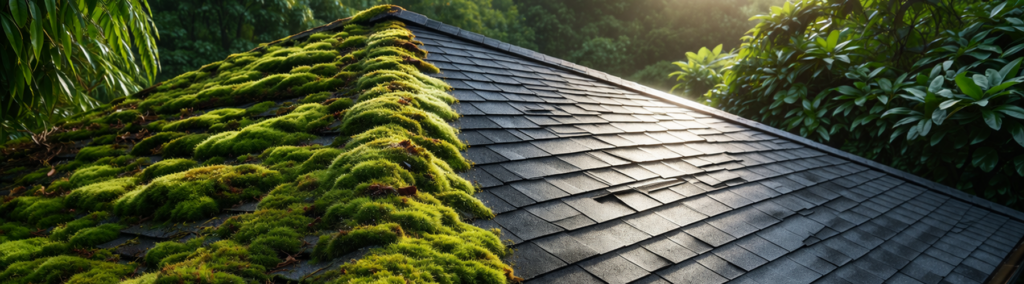
If you have spotted a green, fuzzy layer creeping across your shingles, you are not alone. Moss on roofs is one of the most common and most damaging problems homeowners face across Martin and St. Lucie Counties. The warm, humid climate along the Treasure Coast creates ideal conditions for moss to thrive, and once it takes hold, it does not stop on its own.
The good news? Moss can be removed safely and completely. But the method you choose matters more than most people realize. This guide walks you through everything you need to know about moss on roofs: what causes it, what it actually does to your home, how the main removal methods stack up, and why thousands of homeowners on the Treasure Coast trust professionals like Magic Bubbles Pressure Washing to get the job done right the first time.
Is Moss Actually Damaging Your Roof
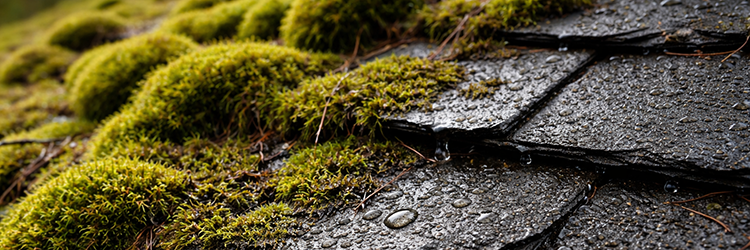
This is one of the most common questions homeowners ask, and the answer surprises many people. Yes, moss is genuinely destructive. While a thin green coating might seem harmless, the damage it causes operates quietly beneath the surface.
Moss retains moisture. As it grows, it holds water against your shingles long after the rain has stopped. This persistent moisture causes shingles to swell, crack, and deteriorate far ahead of their expected lifespan. Over time, water begins working underneath the shingles themselves, creating conditions for rot, leaks, and structural damage to your roof decking.
Beyond the roof itself, moss can impact your home’s curb appeal and resale value. Real estate professionals consistently note that a stained or moss-covered roof is one of the first things buyers notice and one of the most common deal-breakers during inspections.
Can You Remove Moss from a Roof Yourself
Technically, yes. Practically, it is far more complicated and risky than most homeowners expect. Several DIY approaches are circulating online, and it is worth understanding what they actually involve before you decide.
Manual Scrubbing
Using a stiff brush to scrub moss off shingles seems straightforward, but it causes significant granule loss. Those granules on asphalt shingles are not decorative; they protect your roof from UV damage and extend its life. Scrubbing removes them and leaves your shingles exposed and vulnerable.
High-Pressure Washing
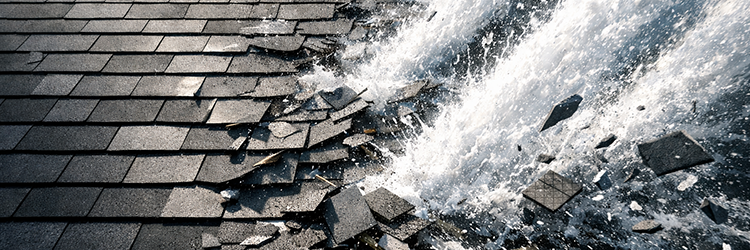
High-pressure washing is one of the most damaging things you can do to a roof. The force lifts shingles, strips granules, damages flashing, and forces water under roofing materials. Most roofing manufacturers explicitly warn against pressure washing, and doing so can void your warranty outright.
Chemical Sprays (DIY Formulas)
Zinc sulfate and bleach-based solutions are commonly recommended in DIY guides. While some of these products do kill moss, applying them incorrectly, such as wrong concentration, wrong weather conditions, or no post-treatment rinse, can discolor shingles, kill surrounding landscaping, and leave chemical residue that damages gutters and downspouts.
What Is Soft Washing and Why Is It the Right Method for Roofs
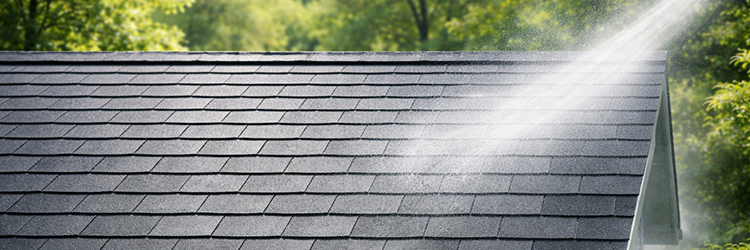
Soft washing is the industry-standard method recommended by roofing manufacturers and professional associations for removing biological growth from roofs. Unlike pressure washing, soft washing uses low water pressure combined with specially formulated biodegradable cleaning solutions to kill moss, algae, and mold at the source.
The cleaning solution penetrates into the moss colony and eliminates the biological matter from the root up. This means the moss does not simply come back in a few weeks because residual growth was left behind. A proper soft wash clears the entire surface and applies a protective treatment that inhibits regrowth.
This is the exact approach used by Magic Bubbles Pressure Washing for all residential roof cleaning in Martin and St. Lucie Counties. Their process is designed to match the specific demands of Florida roofing materials, including asphalt shingles, tile, and metal roofs, without causing damage.
Comparing Moss Removal Methods: A Practical Overview
Not all removal approaches are equal. Here is a straightforward comparison to help you understand the trade-offs:
Manual Scrubbing
Effectiveness: Low – removes surface moss only; roots remain
Safety: High risk of granule loss and shingle damage
Long-Term Results: Moss returns quickly; no treatment applied
High-Pressure Washing
Effectiveness: Moderate – removes visible growth
Safety: Very high risk
Long-Term Results: No treatment; regrowth common within months
DIY Chemical Spray
Effectiveness: Moderate – kills moss but may miss deep roots
Safety: Risk of plant, gutter, and surface damage if misapplied
Long-Term Results: Inconsistent; results vary by product and application
Professional Soft Washing
Effectiveness: High – eliminates moss and roots completely
Safety: Safe for all roofing materials when done correctly
Long-Term Results: 1 to 3 years with post-treatment inhibitor applied
Why Professional Roof Cleaning Pays for Itself
One of the most common reasons homeowners hesitate to call a professional is cost. It is a fair concern, but the math almost always works in favor of professional cleaning when you consider the alternatives.
A full roof replacement on a typical Florida home costs between $8,000 and $25,000, depending on size, material, and complexity. Professional roof cleaning, by comparison, costs a fraction of that and can extend the life of your existing roof by many years.
There is also the property value angle. According to the National Association of Realtors, exterior appearance is the single most important factor in a buyer’s first impression of a home. A clean roof signals a well-maintained property, which translates directly into buyer confidence and stronger offers. Source: nar.realtor
For property managers overseeing multiple units or HOA communities in Martin and St. Lucie Counties, regular professional roof cleaning from Magic Bubbles is also a smart liability strategy. Clean, well-maintained roofs reduce the risk of tenant complaints and costly emergency repairs.
How to Prevent Moss from Coming Back After Cleaning
Removing moss is only half the job. Preventing it from returning is what protects your long-term investment. After a professional soft wash, several practical steps make a significant difference:
- Post-treatment inhibitors: A professional-grade zinc or copper-based solution applied after cleaning creates a surface environment where moss cannot easily re-establish. This is standard practice in a quality professional cleaning service.
- Trim overhanging branches: Reducing shade over your roof lowers moisture retention and limits the leaf debris that feeds moss growth.
- Keep gutters clean: Blocked gutters back up water and create the damp conditions moss needs. Schedule gutter cleaning at least twice per year.
- Zinc strips near the ridge: Installing zinc or copper strips near the roof ridge releases trace minerals every time it rains, naturally discouraging biological growth across the entire roof surface.
- Annual inspections: Catching early moss growth before it spreads is the most cost-effective strategy. A quick annual check through professional or visual from the ground, lets you address small problems before they become large ones.
Final Takeaways
- Delaying moss removal can lead to more extensive damage over time.
- Soft washing by a qualified professional is the safest and most effective method that removes moss completely, protects your roof materials, and includes preventative treatment.
- DIY approaches carry genuine risks: additional roof damage, and incomplete results that let moss return quickly.
- Professional roof cleaning is a cost-effective investment that protects property value, extends roof life, and gives you peace of mind.
- For Treasure Coast homeowners and property managers, Magic Bubbles Pressure Washing offers a safe, proven solution backed by local experience and professional-grade equipment.
Protect Your Roof Before Moss Wins
Moss on a roof is not a cosmetic inconvenience you can put off until next season. It is an active, ongoing problem that works against your home’s structure, your roofing warranty, and your property value with every passing week. The good news is that it is entirely solvable and it does not require you to climb on your roof with a brush and a bottle of bleach.
The most effective, safest, and most lasting solution is professional soft washing and that is exactly what Magic Bubbles Pressure Washing delivers to homeowners and property managers across Martin and St. Lucie Counties. From soft washing moss-covered shingles to applying post-treatment protective solutions, their team brings the equipment, expertise, and local knowledge to get your roof clean and keep it that way.
A clean roof is a protected home. Do not let moss decide for you. Reach out to Magic Bubbles today and schedule a professional roof cleaning that delivers real, lasting results.

Magic Bubbles
http://magicbubblestc.comMagic Bubbles Pressure Washing is a locally owned Magic Bubbles franchise serving Martin and St. Lucie Counties on Florida’s Treasure Coast. We’re licensed and insured and clean homes and businesses from Stuart, Palm City and Jensen Beach to Port St. Lucie and Fort Pierce. Our posts cover what local heat, humidity and coastal air do to roofs, pavers, pool cages and gutters, and how to keep them looking cared for.