What to Expect From Professional House Washing in Port St. Lucie and Martin County

Key Takeaways
- Professional house washing is not the same as basic pressure washing. Surface type determines the method and pressure used.
- Soft washing uses low pressure combined with cleaning solutions, making it the correct choice for stucco, siding, and painted exteriors common in South Florida.
- Florida’s humidity means mold, mildew, and algae return faster than in other climates. Regular cleaning every 6 to 12 months protects your investment.
- A typical residential cleaning takes 1 to 3 hours. Larger homes or multi-surface jobs take longer.
- Professional equipment and biodegradable solutions protect your landscaping, paint, and exterior finishes while removing organic growth at the source.
If you own a home on the Treasure Coast, you already know what Florida’s heat and humidity can do to an exterior. Black streaks creep across roof tiles. Green algae spreads down stucco walls. Driveways turn from light gray to dark and slippery. It happens gradually, which is exactly why so many homeowners miss it until the buildup is serious.
Professional house washing is the service that reverses all of that, but if you have never scheduled one before, you might not know what the process actually looks like from start to finish. What happens when the crew arrives? What surfaces get treated? Will high pressure damage your paint or stucco? How long does it take?
This guide walks you through the full experience so you know exactly what to expect. It also explains how Magic Bubbles approaches exterior cleaning for homes across Port St. Lucie and Martin County, where Florida’s climate creates some of the most persistent organic growth in the country.
What Is the Difference Between Pressure Washing and Soft Washing
This is the question that trips up most homeowners, and getting it wrong can lead to damaged surfaces.
Pressure washing relies on high-force water to blast away dirt, stains, and debris. It works well on surfaces that can take the force, like concrete driveways, sidewalks, and brick. For those surfaces, pressure washing is fast, effective, and the right call.
Soft washing is different. It uses low-pressure water combined with specialized cleaning solutions to treat surfaces that would be damaged by high force. Those solutions break down mold, mildew, algae, and organic stains at the root level rather than blasting them off the surface. The results tend to last longer because the biological growth is killed, not just knocked loose.
Soft washing is the correct method for stucco, painted exteriors, siding, and roof materials. These are the most common surfaces found on homes throughout Port St. Lucie and Martin County. A professional crew knows which method to use on which surface, so nothing gets damaged and everything gets clean.
What Surfaces Does Professional House Washing Cover
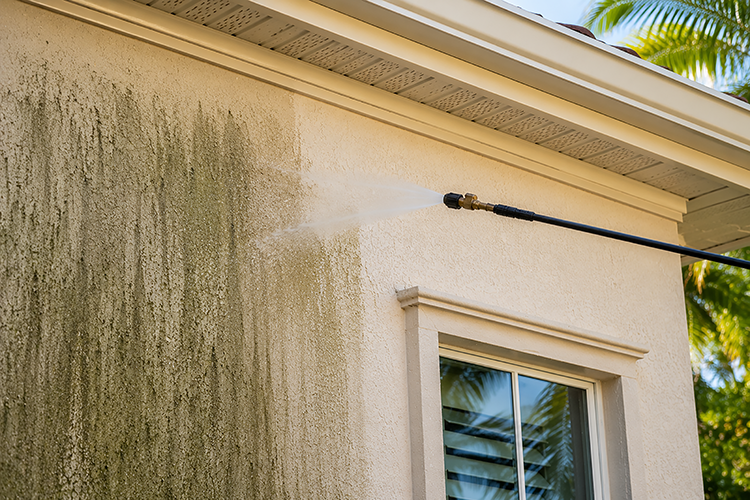
When most people hear “house washing,” they picture the exterior walls. That is certainly part of it, but a full-service professional cleaning can cover a much wider range of surfaces around your property.
At Magic Bubbles, residential services include:
- House washing for exterior walls including stucco, siding, and painted surfaces
- Roof soft washing to remove black streaks, algae, and organic growth from shingle, tile, and metal roofs
- Driveway and sidewalk cleaning to remove algae buildup, tire marks, and staining
- Patio and pool deck cleaning to remove slippery algae and mildew from outdoor entertaining areas
- Paver cleaning and sealing to restore color and protect against future fading and weed growth
- Fence and deck washing for wood, vinyl, and composite materials
- Screen enclosure cleaning to clear pollen, algae, and grime from frames and screens
- Gutter cleaning to clear debris and restore proper drainage, particularly important before Florida’s rainy season
You do not have to schedule every surface at once. Many homeowners start with a house wash and driveway clean, then add roof soft washing or paver sealing as a separate visit. The right combination depends on what your property actually needs.
What Does Florida Mold, Mildew, and Algae Actually Do to Stucco and Siding
Florida’s heat, humidity, and frequent rain create perfect conditions for mold, mildew, and algae to grow on almost any exterior surface. Understanding what these organisms actually do helps explain why regular cleaning is not just cosmetic. According to a study by Anderson Air using data from the National Centers for Environmental Information, Florida ranks second only to Louisiana as the state most likely to have mold problems, driven by a year-round average temperature of just over 72 degrees and nearly 56 inches of annual rainfall.
Algae, particularly the blue-green gloeocapsa magma that causes those dark roof streaks, feeds on the calcium carbonate in roofing materials. Left untreated, it can shorten the lifespan of shingles and tiles.
On stucco walls, mold and mildew embed into the porous surface over time. What starts as surface discoloration can eventually lead to paint failure and moisture retention if the growth is not removed. Painted wood siding faces similar risks as mildew breaks down the paint layer from the outside in.
Soft washing solutions neutralize organic growth rather than simply rinsing it away. That is the key difference between a professional clean and a garden hose rinse. The solutions do the biological work so the growth does not come back in a matter of weeks.
Is Pressure Washing Safe for Your Home’s Exterior Finishes
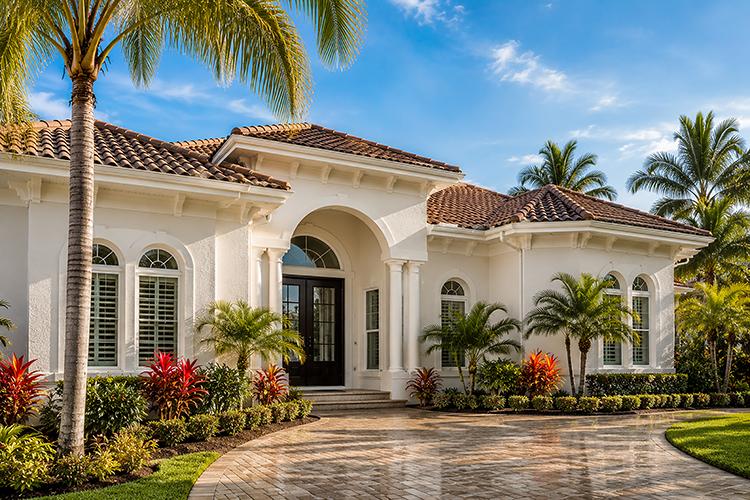
This concern comes up frequently, and it is a fair one. Stories circulate about pressure washing that stripped paint, cracked grout, or damaged roof tiles. Those situations almost always happen when the wrong technique is used on the wrong surface.
When a professional crew evaluates your home, they look at what each surface is made of and how it is holding up before selecting a method. High-pressure equipment stays on concrete and hard surfaces. Soft wash methods go on anything delicate.
For landscaping, professional crews work around planted areas and use biodegradable cleaning solutions that break down safely. The rinsing process is designed to move away from beds and plants rather than into them.
The honest answer is that professional house washing is safe for your home when it is done correctly. The risk comes from inexperienced operators using high pressure where it does not belong.
What Happens Before, During, and After the Service
Before the Service
You do not need to do extensive preparation, but a few things help the crew work efficiently:
- Close windows and doors before the crew arrives
- Move patio furniture, potted plants, or outdoor decor away from areas being cleaned
- Make sure the crew has access to an outdoor water spigot if required
- Let them know about any areas of concern, like fresh paint, fragile landscaping, or surfaces you want them to avoid
You do not need to be home for the service in most cases. As long as access is available and the details are confirmed in advance, the crew can complete the job without you present.
During the Service
A professional crew typically begins with an exterior walk-around to confirm surfaces, note any problem areas, and plan the sequence of work. They will set up equipment, protect any areas that need covering, and begin the cleaning process.
For a standard house wash, the crew applies the cleaning solution to the exterior walls and allows it to dwell for several minutes. This is the period when the solution is breaking down mold, mildew, and algae. Then the surface is rinsed thoroughly at low to moderate pressure, depending on the material.
Roof soft washing follows a similar process. The solution is applied, allowed to work, and then rinsed. You may notice runoff discoloration briefly as organic material washes away. This is normal.
Most residential cleanings take between 1 and 3 hours. Larger homes or jobs that include roof washing, driveways, patios, and other surfaces will run longer.
After the Service
Once the crew finishes, the change is usually immediate and visible. Walls look brighter. Roof streaks are gone or significantly reduced. Driveways look closer to their original color.
Some surfaces, particularly roofs treated with soft wash, may continue to show improvement over the next 24 to 48 hours as the cleaning solution continues to break down residual organic material.
In Florida’s climate, most homes benefit from exterior cleaning every 6 to 12 months. Homes near the coast or under heavy tree cover may need attention more frequently because salt spray, pollen, and shade all accelerate organic growth. Staying on a regular schedule prevents buildup from becoming severe, which keeps each cleaning faster and more affordable.
Final Takeaways
- Soft washing and pressure washing are not interchangeable. The method should always match the surface.
- Florida’s climate accelerates organic growth on every exterior surface. Waiting until stains are obvious usually means the buildup is already severe.
- Most residential cleanings take 1 to 3 hours. You do not need to be home for the service.
- Scheduling multiple surfaces in a single visit saves time and delivers a more complete result.
- Regular cleaning every 6 to 12 months is the most cost-effective way to protect your home’s exterior long-term.
Protecting Your Home Starts on the Outside
A clean exterior is not just about curb appeal. It is about protecting the investment you have made in your home. Florida’s climate works against exterior surfaces every day, and organic growth does not stop on its own. Regular professional house washing removes the buildup that causes long-term damage before it becomes expensive.
Magic Bubbles serves homeowners across Port St. Lucie, Stuart, Palm City, Jensen Beach, Fort Pierce, and the surrounding Treasure Coast with residential pressure washing and soft washing services built for Florida’s conditions. Whether you need a single house wash or ongoing maintenance, their team uses the right methods for each surface so your home looks its best and stays protected.
If you have been putting off a cleaning because you were not sure what to expect, now you know. The process is straightforward, the results are visible, and the protection it provides is real.
Frequently Asked Questions
How do I know if I need soft washing or pressure washing?
The surface tells you. Concrete driveways, sidewalks, and brick surfaces can handle pressure washing. Stucco, painted walls, siding, roofs, and wood surfaces should always be soft washed. A professional will assess your home and choose the right method for each area.
Will the cleaning solutions harm my plants or pets?
Reputable crews use biodegradable cleaning solutions and rinse work areas carefully to minimize runoff toward landscaping. It is still a good idea to move pets indoors and water your plants lightly before the service to dilute any overspray that might reach them.

Magic Bubbles
http://magicbubblestc.comMagic Bubbles Pressure Washing is a locally owned Magic Bubbles franchise serving Martin and St. Lucie Counties on Florida’s Treasure Coast. We’re licensed and insured and clean homes and businesses from Stuart, Palm City and Jensen Beach to Port St. Lucie and Fort Pierce. Our posts cover what local heat, humidity and coastal air do to roofs, pavers, pool cages and gutters, and how to keep them looking cared for.